

What helps after crash damage
No risky final drive
Collected vehicles do not need to be limped away after a serious accident.
Damage assessed early
Photos and clear descriptions help us judge loading and valuation more sensibly.
Recycling for severe cases
Badly damaged cars can move from collection into the recycling process.
When crash damage makes driving a bad idea
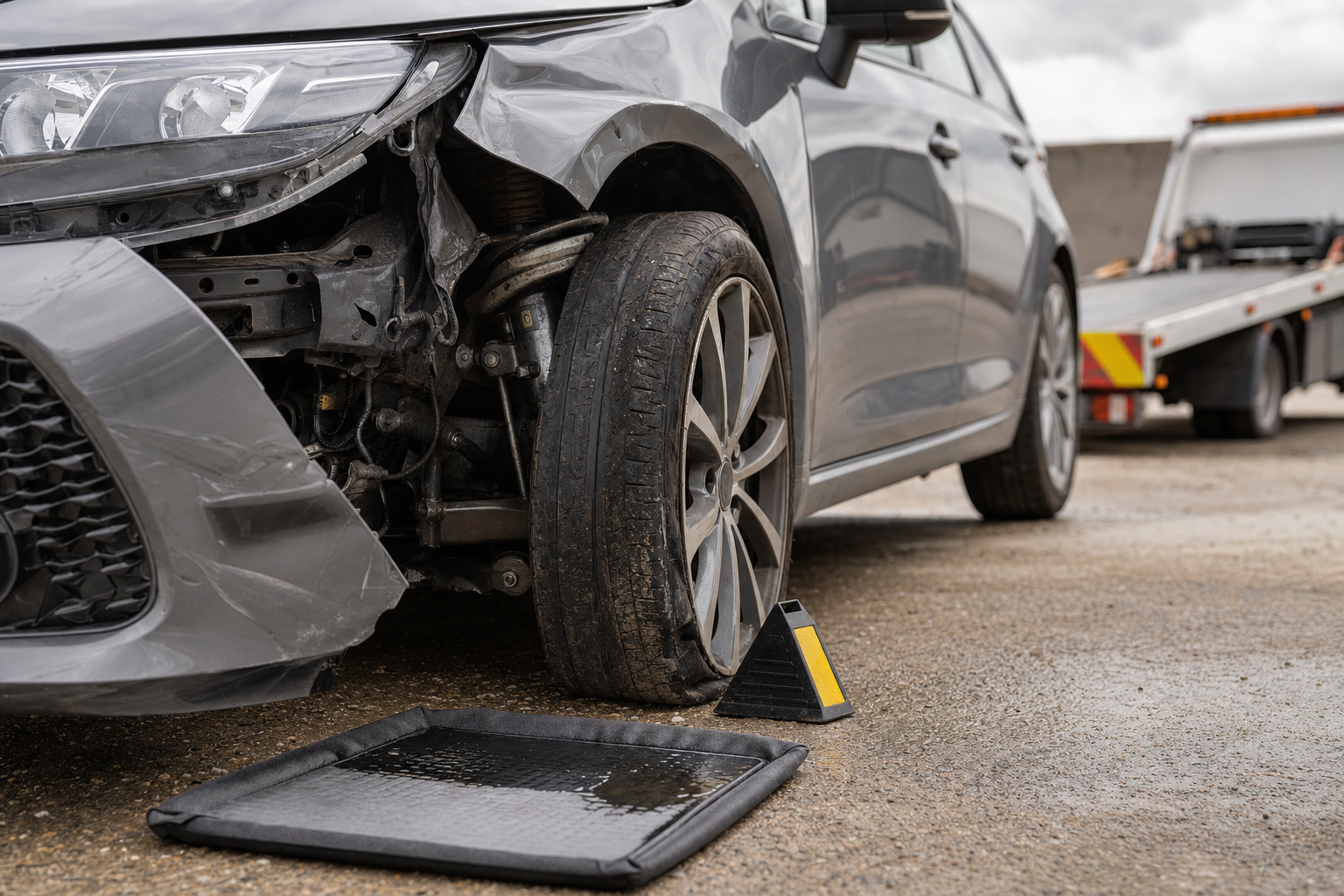
After an accident, the car may look barely driveable or plainly unsafe. Bent suspension, poor wheel alignment, deployed airbags, loose panels or leaking fluids can all turn that last trip into a risk you do not need. In Wallington, many damaged cars are better collected than driven away. Through TG Cars UK, the important part is getting a clear picture first. We need to know where the damage is, whether the wheels still turn properly and whether bodywork or other parts are detached, because those details shape both the valuation and the safest loading plan.
Good photos and honest details help
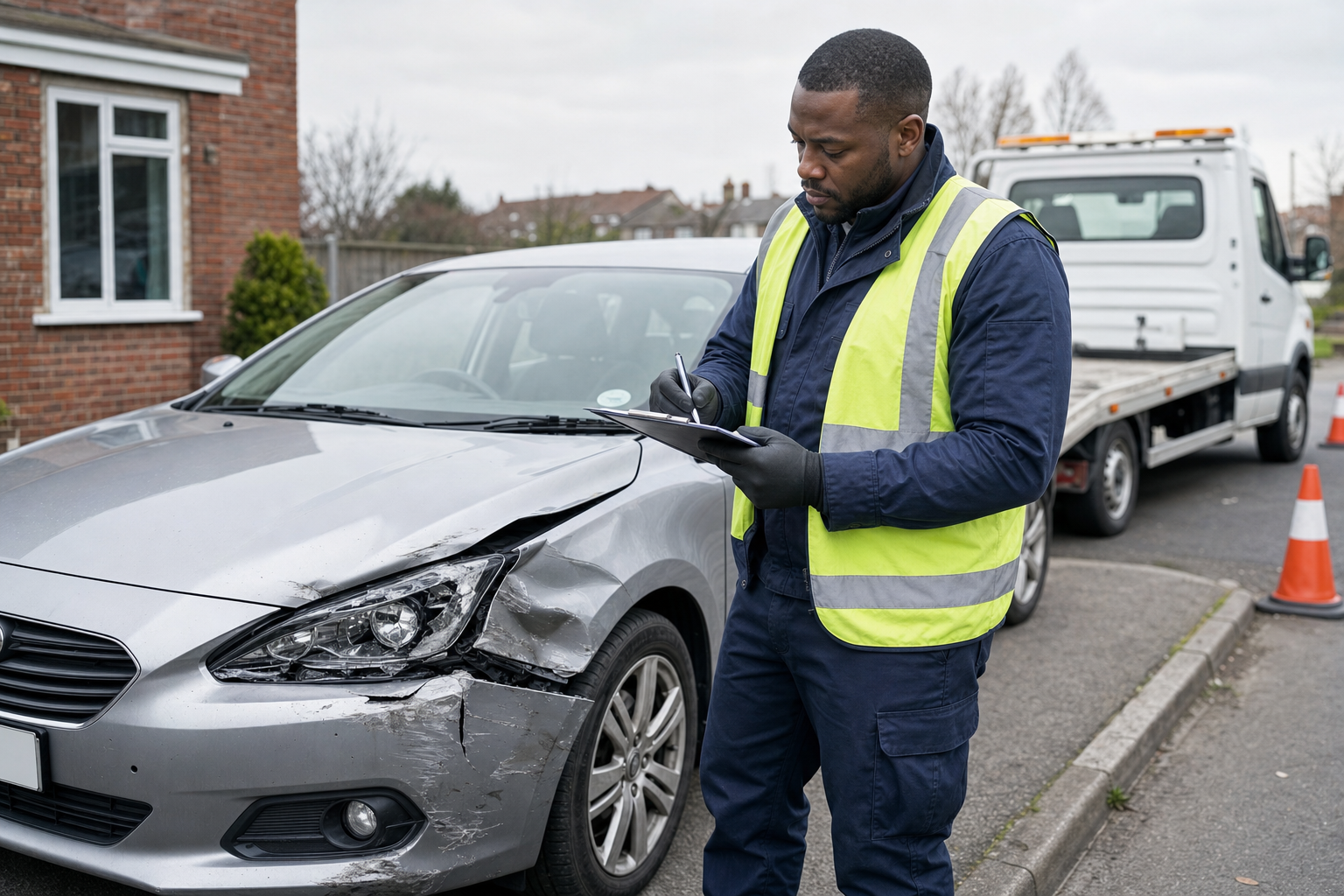
Calls to TG Cars UK work best when the damage is described plainly and, where possible, supported by photographs. That is especially useful if the vehicle has multiple impact points or parts that are loose, sharp or unstable. Access matters too, because a badly damaged car in a tight space needs more thought than one parked in the open. Once collected, a severely damaged vehicle can move into recycling, which gives you a clear route forward instead of leaving the car in limbo.
Frequently asked questions
What damage details should I share before collection?
Tell us which areas were hit, whether the wheels are straight, if airbags have deployed and whether any bodywork is loose. Leaking fluids and missing parts matter too because they affect how the vehicle is handled.
Do photographs help with an accident-damaged car?
Yes, they can be very useful when damage is hard to explain clearly over the phone. Photos help us judge the loading requirements, spot unstable areas and form a better picture of the vehicle's overall condition.
Can you collect a badly damaged car from a tight space?
That can often be arranged, but we need accurate access details first. Tell us about nearby parked cars, limited turning room and anything around the vehicle that could affect safe loading onto the transporter.